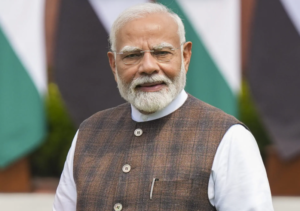

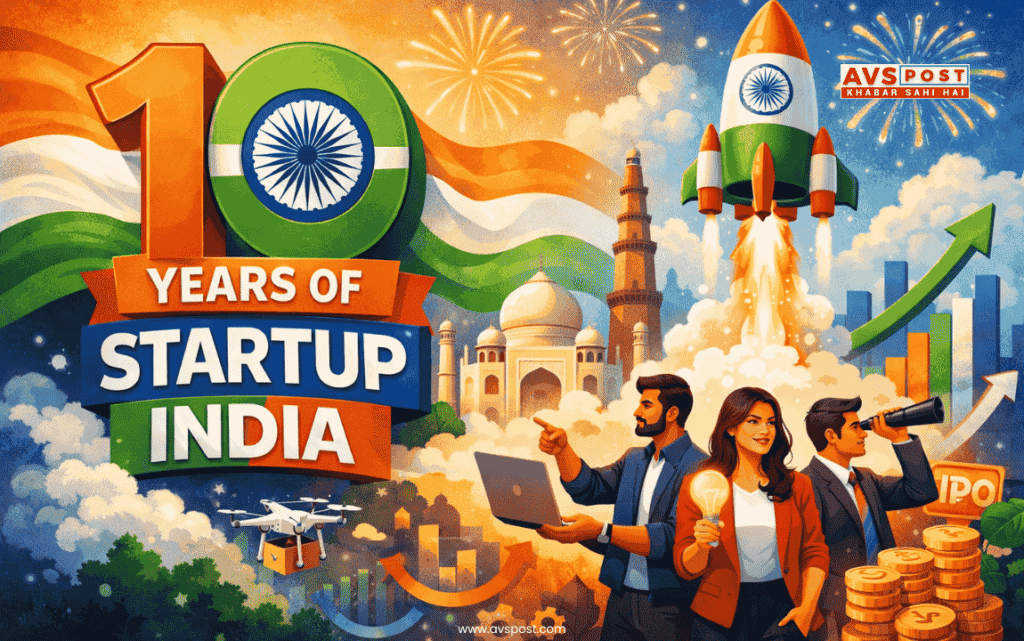
Startup India : Today, India celebrates National Startup Day, marking a significant milestone—the 10th anniversary of the Startup India initiative. Launched in 2016 by Prime Minister Narendra Modi, this flagship program has transformed the country into the world’s third-largest startup ecosystem. In a grand event held at Bharat Mandapam in New Delhi, PM Modi addressed entrepreneurs, innovators, and young minds, describing the journey as nothing short of a “revolution.”
From Vision to Reality : The Numbers That Inspire
The progress over the past decade is nothing short of remarkable. Starting with fewer than 500 recognized startups in 2016, India now boasts more than 200,000 DPIIT-certified ventures. Among them, over 125 companies have achieved unicorn status, collectively valued at over $350 billion.
These startups have become engines of employment, creating more than 2.1 million direct jobs across diverse sectors. Notably, 2025 alone saw the registration of around 44,000 new startups—a record-breaking surge. What’s even more encouraging is the democratization of entrepreneurship: over half of these ventures now originate from Tier-2 and Tier-3 cities, proving that innovation thrives beyond metropolitan hubs.
This inclusive growth reflects the core philosophy of Atmanirbhar Bharat—a self-reliant India built on local talent, ideas, and determination.
Voices from the Top : Insights from PM Modi’s Speech
Addressing a gathering of founders, investors, and young innovators, the Prime Minister emphasized how the mindset of the nation has shifted dramatically. “Entrepreneurship is no longer an alternative path—it has become the preferred choice for millions of young Indians,” he noted. Today’s youth are not merely seeking jobs; they are creating solutions for pressing challenges in healthcare, agriculture, education, sustainability, and beyond.
He highlighted the cultural transformation: taking calculated risks is now celebrated rather than feared. The Prime Minister also outlined the road ahead, placing strong emphasis on emerging frontiers such as artificial intelligence, deep technology, space exploration, and defense innovation. He urged startups to prioritize quality, scalability, and global standards, reminding everyone that today’s bold research will become tomorrow’s valuable intellectual property.