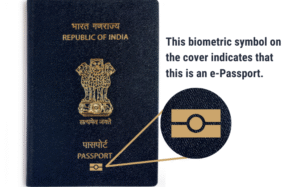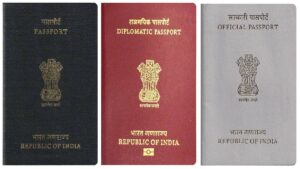

Biometric e-passports, also known as electronic passports, represent a significant leap in travel document security and efficiency. In India, the introduction of these advanced passports under the Passport Seva Programme 2.0 is transforming how citizens travel internationally. This blog explores what biometric passports are, their features, and their impact on Indian travelers.
What is a Biometric Passport?
A biometric passport is an enhanced version of a standard passport, featuring an embedded microchip that securely stores personal and biometric information. In India, these e-passports contain details such as the passport holder’s name, date of birth, and other identification information, along with biometric data like fingerprints and digital photographs. The microchip uses Radio Frequency Identification (RFID) technology, ensuring secure storage and easy verification at border controls.

Key Features of India’s Biometric e-Passports
- Enhanced Security: The embedded chip is encrypted, making it nearly impossible to forge or tamper with the passport. This reduces identity fraud and enhances trust in Indian passports globally.
- Biometric Data Integration: Fingerprints and photographs are stored digitally, allowing for quick and accurate identity verification at immigration checkpoints.
- ICAO Compliance: India’s e-passports adhere to International Civil Aviation Organization (ICAO) standards, ensuring compatibility with global immigration systems, including e-gates at airports.
- Faster Processing: The chip enables automated processing at border controls, reducing wait times and streamlining international travel.
The Rollout in India
India launched a pilot phase for biometric e-passports on April 1, 2024, covering 13 cities, including Chennai, Hyderabad, Jaipur, Nagpur, and Bhubaneswar. This initiative is part of the ambitious Passport Seva Programme 2.0, aimed at modernizing passport services. The pilot has successfully issued chip-enabled passports, with plans for a nationwide rollout by May 2025. Once fully implemented, all new passports issued in India will be biometric, replacing older, non-electronic versions.