

Digital nomadism: Digital nomadism means to have a working environment where you work remotely while travelling or living at a different location. It requires technology such as phones, laptop and internet connection. This also takes flexibility, freedom and ability to balance travel and work.

What are the differences between traditional jobs and digital nomadism?
- Traditional jobs: –
- It has a fixed timing; location or work space; structure of work.
- Employees follows a company policy regarding vacation time and break.
- It allows employment benefits like health insurance, job security and retirement plans.
- People usually lives in their work location which gives limited excess to travelling.
- It usually done with employees working face to face interaction with them working as a teams and company culture.
- It provides regular pay checks and financial stability.
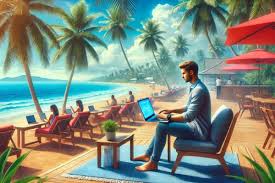
Traditional jobs and Digital nomadism.
- Digital nomadism: –
- It doesn’t have a fixed timing; it allows work from remote area and doesn’t have fixed structure of work.
- The worker can set their own schedules and work when they are most productive.
- They don’t have benefits like traditional jobs and employee has to manage their own income, taxes and insurance
- It includes jobs which involves lot of travel and moving from one place to other.
- it requires remote work and collaboration through digital medium. It is usually self-initiated with co-working spaces or local communities.
- Income could be inconsistent because of gig workers and freelancers.
How to go from traditional jobs to digital nomadism?
To go from traditional jobs to digital nomadism follow the given steps: –
- Identify your skills and strength and evaluate how you can use them in remote working conditions.
- Learn new skills that can make you friendly with remote working conditions or take online course or certification for getting more better jobs.
- Make a good portfolio showcasing your ability skills your strength and other things required for the particular job.
- Start by freelancing, taking gigs work or part time jobs while still at your traditional job so that you can experience the working environment of the digital nomad.
- Build a strong network by joining community other nomads and remote work meetings or virtual conference.
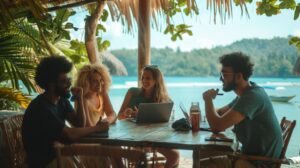
from traditional job to Digital nomadism. - Build yourself a good financial safety which can cover your living expense, with the cost of travelling insurance and setting up of mobile lifestyle.
- Is possible convert your traditional job style to digital nomadic jobs style so that you can negotiate with your regular employee or focus on constant gigs.
- Research completely about the place, job, money safety and essential tools required for the job.
- Test your productivity and routine in different environment while starting with shorter tips and maintaining your remote work. This will help you to adopt the nomadic lifestyle.
- When you feel confident enough to commit to this lifestyle resign from a traditional job and fully embrace digital nomadism but stay discipline with your work schedule, skill learning and competition to make a good remark in this work place.
Types of digital jobs.
Digital nomad jobs include various works like: Freelancing jobs like writing, graphic designing, video editing, animation, voice over etc. or Remote employment like customer services, project management, Data analytics, market specialist, online business, web developer, social media manager, content creation blogging or vlogging etc.
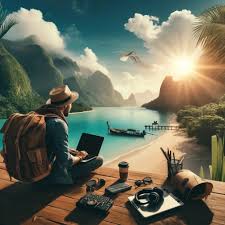
Best country for digital nomad.
Some of the best country for digital nomads with affordable living reliable internet and welcoming culture and proper Visa system includes countries like- Thailand, Portugal, Indonesia, Mexico, Georgia, Spain, Vietnam and etc.
Skills to be a digital nomad.
Some skills to be digital nomads are as follow: –