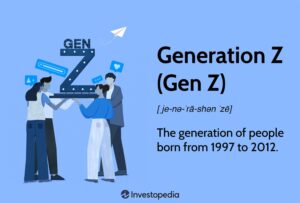


Generational Shifts: Every generation brings its own unique set of values, behaviors, and expectations that shape society and influence markets which are known as generational shifts. Today, Generation Z (born approximately 1997-2012) and Generation Alpha (born 2013-2025) are at the forefront of a transformative shift in consumer behavior, workplace culture, and technological adoption. These young generations are redefining industries, challenging traditional norms, and accelerating the transition toward a digital-first, socially responsible world. This article explores the significant ways in which Gen Z and Alpha are influencing society and markets, from commerce and branding to education and entertainment.
Digital Natives Reshaping Consumer Trends
Gen Z and Alpha are the first generational shifts to be fully immersed in digital environments from birth. Their digital fluency has major implications for businesses, as traditional marketing and sales approaches must evolve to meet these consumers where they are—online, on social media, and in immersive digital spaces like the metaverse.

1. E-commerce and Social Commerce
Unlike previous generations that favored brick-and-mortar retail, Gen Z and Alpha prioritize online shopping and social commerce. Platforms such as Instagram, TikTok, and Snapchat have become essential shopping hubs, where influencers, peer recommendations, and interactive content drive purchasing decisions. Social commerce, where purchases are made directly within social media apps, has skyrocketed in popularity, forcing brands to rethink engagement strategies.
2. Subscription-Based and On-Demand Models
Subscription services, from streaming to beauty boxes and meal kits, have surged in popularity, largely due to Gen Z’s preference for convenience, personalization, and flexibility. Companies such as Netflix, Spotify, and Amazon Prime thrive in this model, offering curated experiences that align with younger consumers’ desires for seamless, uninterrupted service.

The Rise of Ethical and Value-Driven Consumption
Gen Z and Alpha prioritize sustainability, inclusivity, and ethical responsibility when making purchasing decisions. Brands that fail to align with their values risk losing relevance in a highly competitive marketplace.
1. Sustainability and Environmental Awareness
Gen Z has been called the “climate generation” due to its heightened awareness of environmental issues. They favor brands that embrace sustainability, whether through ethical sourcing, minimal packaging, or carbon-neutral initiatives. Companies like Patagonia, Tesla, and Beyond Meat have gained favor with this demographic by demonstrating a commitment to eco-friendly practices.
2. Social Responsibility and Activism
Young consumers demand more than just quality products—they expect brands to take a stand on social issues, including diversity, equity, and inclusion. Businesses that actively support movements such as Black Lives Matter, LGBTQ+ rights, and gender equality are more likely to earn the trust and loyalty of these generations. Companies such as Nike and Ben & Jerry’s have successfully integrated activism into their brand identity.
The Future of Work and Education
With Generational shifts, the Gen Z entering the workforce and Generation Alpha following close behind, traditional workplace norms and education systems are undergoing radical changes.
1. Redefining Work Culture
Generational Shifts: Generation Z workers expect greater flexibility, work-life balance, and purpose-driven careers. They are drawn to remote work, hybrid models, and gig economy opportunities. Unlike previous generations that prioritized job stability, many Gen Zers seek meaningful work, often choosing employers based on company culture, ethical practices, and opportunities for personal growth.