

How to Stop Smartphone Addiction is a growing concern in 2025, with people spending hours scrolling through social media, gaming, or checking notifications. Excessive phone use can harm mental health, productivity, and relationships. This blog offers actionable steps to break free from smartphone addiction and reclaim control over your time.
How to Stop Smartphone Addiction : Understand Your Addiction
Recognizing the problem is the first step. Smartphone addiction often stems from habits like compulsive checking or using apps to escape stress. Track your screen time using built-in tools like Digital Wellbeing (Android) or Screen Time (iOS). Studies suggest the average person spends 4-6 hours daily on their phone, with social media apps like Instagram and TikTok being major culprits. Reflect on why you reach for your phone—is it boredom, anxiety, or habit?

Set Clear Boundaries
Establish specific rules for phone use. Designate “no-phone” zones, such as during meals, family time, or in the bedroom. Set time limits for apps—most smartphones allow you to cap usage (e.g., 30 minutes daily for social media). Try the 20-20-20 rule: every 20 minutes, look away from your screen for 20 seconds at something 20 feet away to reduce eye strain and break the cycle of constant engagement.
Create a Phone-Free Routine
Replace phone time with meaningful activities. Start your day with a morning routine that avoids screens—try journaling, exercising, or meditating for 15 minutes. Schedule hobbies like reading, painting, or outdoor walks during times you’d typically scroll. For example, swap evening Instagram sessions with a podcast or a quick workout. The goal is to fill your day with purpose, reducing the urge to default to your phone.
Use Technology to Limit Technology
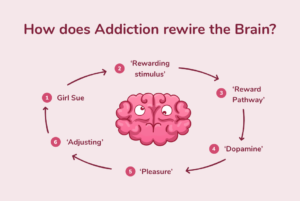
Leverage apps and settings to curb overuse. Enable grayscale mode to make your screen less appealing, reducing the dopamine pull of colorful apps. Use apps like Freedom or Forest to block distracting sites or reward focused time. Set “Do Not Disturb” during work or study hours to minimize notifications. In 2025, newer phone models offer advanced AI-driven focus modes—explore these in your device settings to customize distraction-free periods.
Practice Digital Detox
Commit to regular breaks from your phone. Start with a weekly “digital detox” day where you avoid non-essential screen time. If a full day feels daunting, try a few hours—perhaps a Sunday afternoon spent offline. During detoxes, engage in face-to-face interactions or nature-based activities. Research shows that even a 24-hour break can reduce stress and improve sleep quality, resetting your relationship with technology.