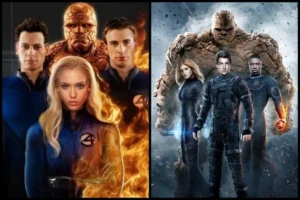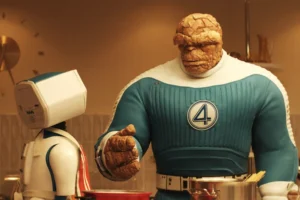

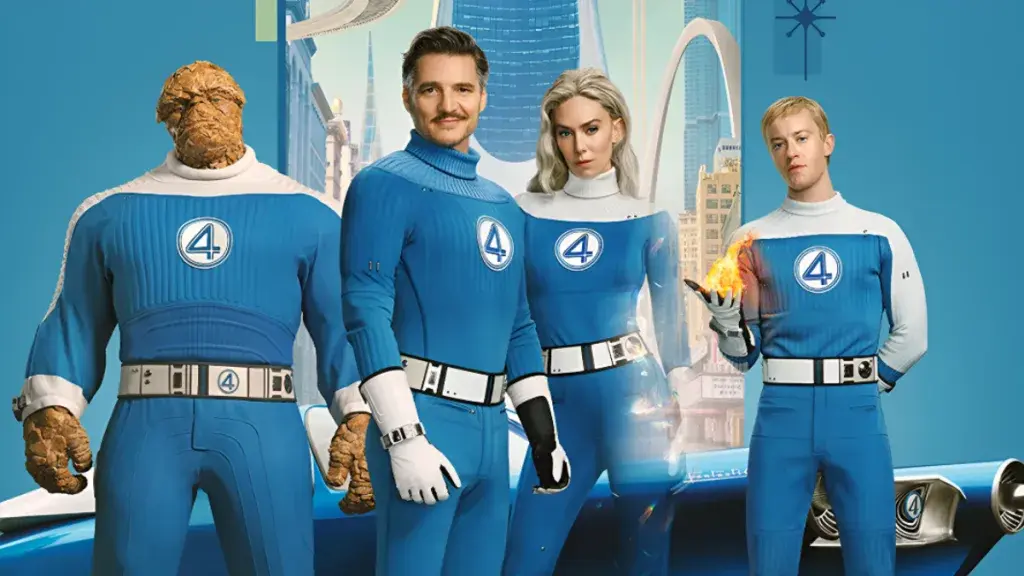
The Fantastic Four, often dubbed Marvel’s First Family, hold a special place in comic book history. Created by Stan Lee and Jack Kirby in 1961, this superhero team introduced a new era of storytelling that blended science fiction, adventure, and human drama. Unlike other superheroes of the time, the Fantastic Four were not just a team—they were a family, flawed and relatable, navigating cosmic challenges and personal struggles. This blog explores the origins, impact, and modern relevance of the Fantastic Four in the Marvel Universe.
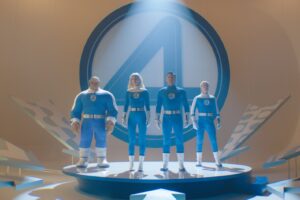
The Origin of the Fantastic Four
In November 1961, The Fantastic Four #1 hit newsstands, marking the birth of the Marvel Universe as we know it. The story follows four individuals—scientist Reed Richards, his fiancée Sue Storm, her brother Johnny Storm, and pilot Ben Grimm—who gain extraordinary powers after being exposed to cosmic radiation during a space mission. Reed becomes the elastic Mr. Fantastic, Sue transforms into the Invisible Girl (later Invisible Woman), Johnny becomes the Human Torch, and Ben is reborn as the rock-skinned Thing. Their powers, while incredible, come with personal costs, setting the tone for the series’ focus on human struggles.
This origin story was groundbreaking. Unlike DC’s polished heroes like Superman or Batman, the Fantastic Four were imperfect. They bickered, faced financial woes, and dealt with the consequences of their decisions. Jack Kirby’s dynamic art and Stan Lee’s witty dialogue brought these characters to life, creating a formula that would define Marvel Comics.
Why the Fantastic Four Matter
The Fantastic Four were revolutionary for several reasons:
1. A Family, Not Just a Team
Unlike the Justice League or Avengers, the Fantastic Four were bound by familial ties. Reed and Sue’s romance, Johnny’s hotheadedness, and Ben’s gruff loyalty created a dynamic that felt authentic. Their relationships drove the narrative, making their adventures as much about personal growth as about saving the world.
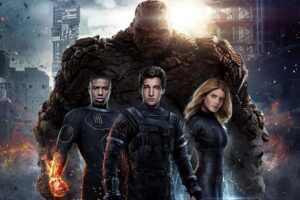
2. Groundbreaking Villains
The Fantastic Four introduced some of Marvel’s most iconic antagonists. Doctor Doom, the brilliant and vengeful monarch of Latveria, became one of comics’ greatest villains. The cosmic devourer Galactus and his herald, the Silver Surfer, brought existential threats that pushed the team to their limits. These villains weren’t just evil for evil’s sake—they had depth, motivations, and complexities that mirrored the heroes.
3. Pioneering Sci-Fi Concepts
The Fantastic Four leaned heavily into science fiction, exploring concepts like the Negative Zone, alternate dimensions, and cosmic entities. This bold approach expanded the scope of superhero comics, paving the way for stories that went beyond street-level crimefighting.
4. Relatability and Humanity
The Fantastic Four weren’t perfect heroes. Reed’s arrogance often led to mistakes, Ben struggled with his monstrous appearance, Sue grappled with her role in a male-dominated team, and Johnny’s impulsiveness caused chaos. These flaws made them relatable, resonating with readers who saw their own struggles reflected in the characters.