“PCOS and PCOD : 14 Crucial Distinctions Every Woman Needs to Understand for Improved Health”
A Complete Guide to the Distinction Between PCOS and PCOD Two prevalent hormonal conditions that impact women of reproductive age are Polycystic Ovary Syndrome (PCOS) and Polycystic Ovarian Disease (PCOD). Despite the fact that these terms are frequently used synonymously, they refer to different conditions with different traits, causes, symptoms, and methods of treatment. For […]
AVS POST Bureau
Published: बुधवार, 2 अप्रैल 2025 | 6:37 PM
Reading Time: 8 min read
शेयर करें:
A Complete Guide to the Distinction Between PCOS and PCOD Two prevalent hormonal conditions that impact women of reproductive age are Polycystic Ovary Syndrome (PCOS) and Polycystic Ovarian Disease (PCOD). Despite the fact that these terms are frequently used synonymously, they refer to different conditions with different traits, causes, symptoms, and methods of treatment. For management and treatment to be effective, it is essential to comprehend the distinctions between PCOS and PCOD.
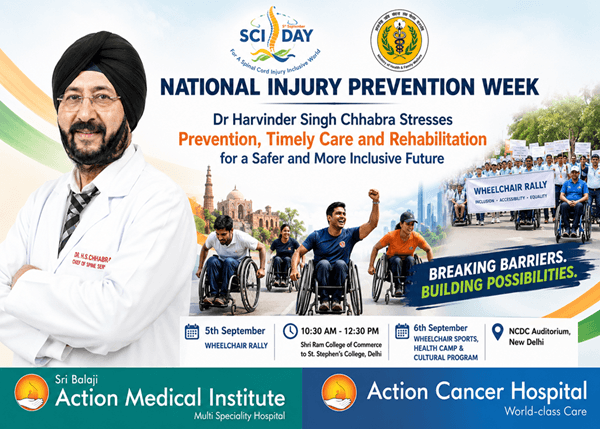
New Delhi, September 4, 2026: #National Injury Prevention Week, A week-long awareness campaign on injury prevention and spinal cord injuries is underway in the national capital, bringing together healthcare professionals, people living with spinal cord injuries, caregivers, students, volunteers and members of the community. The fourth edition of National Injury Prevention Week, being observed from […]
Polycystic Ovary Syndrome, or PCOS, is a hormonal condition that impacts the endocrine system and has effects that extend well beyond the ovaries. It is characterised by a hormonal imbalance that results in multiple small cysts on the ovaries, irregular menstrual cycles, and excessive production of androgen (male hormone).
PCOS and PCOD
PCOS causes
Although the precise cause of PCOS is unknown, a number of factors are thought to play a role in its development:
Genetics: PCOS frequently runs in families, suggesting a genetic component.
Insulin Resistance: Insulin resistance raises insulin levels, which can cause excess androgen production in many women with PCOS.
Hormonal Imbalance: Elevated androgen levels interfere with ovulation and the ovaries’ normal function.
PCOS and PCOD
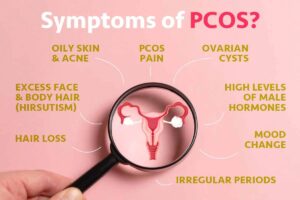
PCOS symptoms
PCOS can cause a variety of symptoms in women, such as:
Absence or irregular menstruation
Hirsutism, or excessive hair growth, especially on the face and body
Oily skin and acne
Gaining weight, especially around the abdomen
Hair loss or thinning
Infertility brought on by irregular ovulation
Acanthosis nigricans, or dark skin patches
Depression and mood swings
PCOS and PCOD
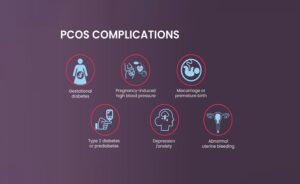
PCOS complications
PCOS can result in a number of long-term health issues if treatment is not received, including:
Diabetes type 2
Elevated blood pressure
Heart conditions
Unable to conceive
Endometrial cancer
PCOS and PCOD
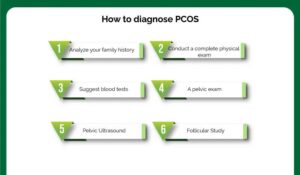
PCOS diagnosis
A combination of symptoms, medical history, and laboratory testing are used to diagnose PCOS. Physicians can do:
Hormone levels are checked using blood tests.
Using ultrasound to find ovarian cysts
Tests of glucose tolerance for insulin resistance
PCOS and PCOD
PCOS treatment
Symptom management and lowering the chance of complications are the main goals of PCOS treatment. It could consist of:
Lifestyle Modifications: Maintaining a healthy weight, eating a balanced diet, and exercising frequently can all help reduce symptoms.
Medication: Anti-androgen medications, insulin-sensitizing medications such as metformin, and birth control pills are frequently prescribed.
Fertility Treatments: Women with PCOS may benefit from assisted reproductive technologies or medications such as clomiphene.
PCOS and PCOD
PCOD: What is it?
Polycystic Ovarian Disease, or [PCOD] is a disorder in which the ovaries produce partially mature or immature eggs that have the potential to develop into cysts. PCOD is generally regarded as less severe than PCOS and is more of a lifestyle-related disorder.
PCOD causes
PCOD is caused by a number of factors, including:
Bad Lifestyle Decisions: Hormonal imbalances can be exacerbated by a diet heavy in processed foods and a lack of exercise.
Obesity: Being overweight can cause the menstrual cycle to be disturbed by an increase in oestrogen production.
Stress: Hormonal changes brought on by high levels of stress can interfere with ovulation.
PCOS and PCOD
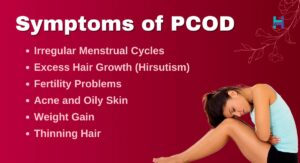
PCOD symptoms
Similar to PCOS, but typically less severe, are the symptoms of PCOD:
Menstrual cycle irregularities
slight increase in weight
Oily skin and acne
Thinning of the hair
Problems with fertility (although most of the time ovulation is still possible)
PCOS and PCOD
PCOD complications
Although PCOD can cause issues with fertility, it is typically less severe than PCOS and does not always lead to long-term reproductive health issues. Untreated PCOD, however, may raise the risk of:
Diabetes
Elevated cholesterol
High blood pressure
PCOD diagnosis
Similar to PCOS, PCOD is identified by:
Analysis of medical history and symptoms
Hormone levels are checked using blood tests.
Using ultrasound to find ovarian cysts
PCOS and PCOD
PCOD treatment
The mainstay of PCOD treatment is changing one’s lifestyle, which includes:
Healthy Diet: Hormone regulation can be achieved by eating a balanced diet high in fibre, protein, and good fats.
Frequent Exercise: Exercise helps control insulin levels and maintain a healthy weight.
Stress management: Hormone balance can be achieved by engaging in stress-relieving activities such as yoga, meditation, or other practices.
Medication: To control menstrual cycles, doctors occasionally prescribe birth control pills or other drugs.
PCOS and PCOD
Important Distinctions Between PCOD and PCOS
Feature
PCOS
PCOD
Nature
A hormonal condition that impacts the entire endocrine system
Hormonal imbalances associated with ovarian disease
Severity
More serious with long-term health hazards
less severe illness with fewer side effects
Ovulation
Absent or infrequent ovulation
Although irregular, ovulation does occur.
Fertility
An increased chance of infertility
Fertility is less affected
Symptoms
More severe, such as metabolic disorders and excessive hair growth
milder symptoms that mostly impact the menstrual cycle
Treatment Focus
Changes in lifestyle and hormonal therapy
Modest medication and lifestyle adjustments
Is It Possible to Cure PCOS and PCOD?
Although PCOS and PCOD cannot be permanently cured, they can both be effectively managed with medication and lifestyle changes. Reducing symptoms and enhancing general health outcomes can be achieved with early diagnosis and effective treatment.
Conclusion
Despite their similarities, PCOS and PCOD are two different conditions that need different approaches to treatment. PCOD is a relatively mild ovarian disorder influenced by lifestyle factors, whereas PCOS is a more serious hormonal disorder with systemic effects. Women who are aware of the distinctions between these conditions are better able to seek the right medical attention and develop healthy lifestyle choices to effectively manage their symptoms.
PCOS and PCOD
Hormonal imbalances, irregular menstrual cycles, and possible complications like infertility, metabolic problems, and an elevated risk of diabetes and cardiovascular diseases are all possible outcomes of both conditions.
PCOD is a milder condition that can frequently be controlled with lifestyle changes, whereas PCOS is a more severe metabolic disorder that poses long-term health risks. Dietary changes, consistent exercise, stress reduction, and, in certain situations, medication to control hormones and enhance fertility are all part of the treatment for both disorders.
Proactive management and early diagnosis can lower complications, preserve general health, and greatly enhance quality of life. To avoid long-term health problems, women who are exhibiting symptoms should consult a doctor for an accurate diagnosis and course of treatment.
A Government Doctor Who Earned Public Trust Through Service, Leadership and Compassion Noida: In the rapidly expanding urban landscape of Noida, where thousands of families depend on government healthcare every day, a few doctors have succeeded in creating an identity that goes far beyond their official designation. Among them, Dr. Yatendra Singh, Medical Superintendent of […]
International Yoga Day 2026 : Every year on June 21, the world comes together to celebrate International Day of Yoga a global tribute to one of humanity’s most ancient and transformative practices. In 2026, we mark the 12th edition of this UN-recognized day with the powerful theme: “Yoga for Healthy Ageing” (Swasth Ayu Ke Liye […]
Union Budget 2026 highlights : The Union Budget 2026-27, presented by Finance Minister Nirmala Sitharaman on February 1, 2026, marks her ninth consecutive budget speech. Tabled in Parliament on a Sunday for the first time in India’s history, this “Yuva Shakti-driven” budget emphasizes the government’s commitment to the poor, underprivileged, and disadvantaged. It draws inspiration […]
Nimmi Chaudhary
1 फरवरी 20265 मिनट
ताजा खबर
Delhi Police ने बताया : अभिजीत दिपके, सौरव दास और आशुतोष रांका अभी भी हिरासत में, एहतियातन कार्रवाई जारी



 Health