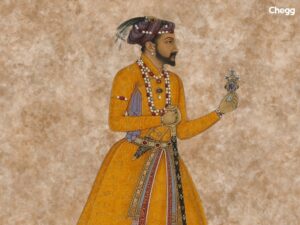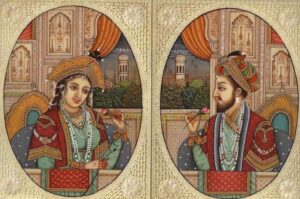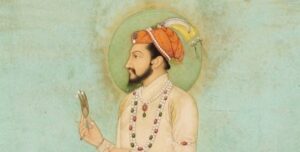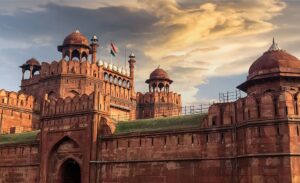

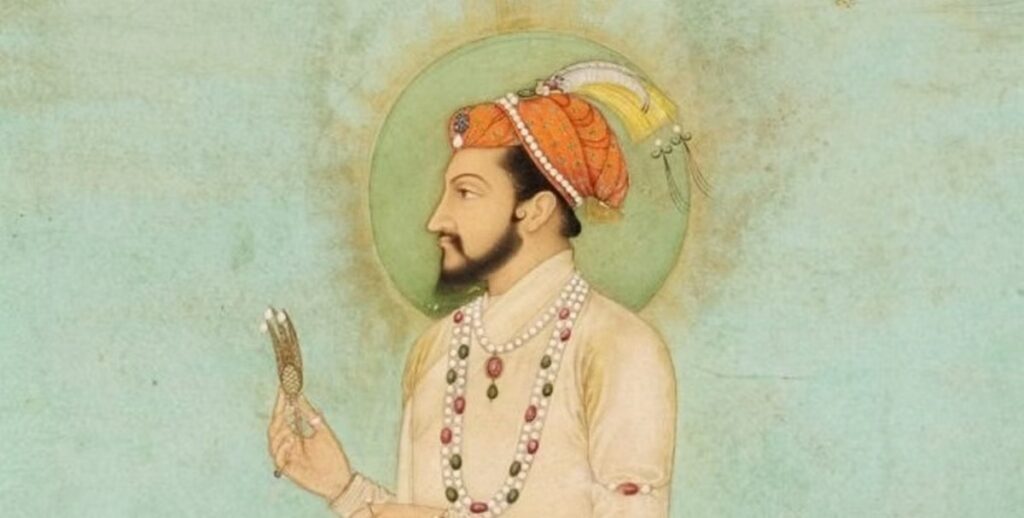
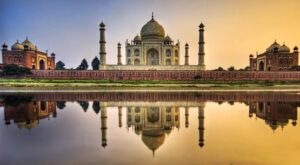
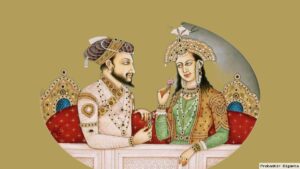
Shah Jahan: The Magnificent Mughal Emperor: Shah Jahan (1592–1666) was the fifth Mughal emperor of India, ruling from 1628 to 1658. He is best known for commissioning the Taj Mahal, one of the most iconic architectural masterpieces in the world, built in memory of his beloved wife, Mumtaz Mahal. His reign is often considered the golden age of Mughal architecture, marked by grand structures like the Red Fort, Jama Masjid, and Shah Jahanabad (Old Delhi).
Early Life and Background
Shah Jahan, born as Prince Khurram on January 5, 1592, in Lahore, was the fifth Mughal Emperor of India. He was the third son of Emperor Jahangir and his Rajput wife, Princess Manmati, also known as Jagat Gosain. From an early age, Khurram exhibited qualities of intelligence, military skill, and an appreciation for art and architecture, which later became his defining traits as an emperor.
As a young prince, he was rigorously trained in warfare, administration, and the arts. His grandfather, Emperor Akbar, had already established the Mughal Empire as a dominant power in India, and Khurram grew up witnessing the grandeur and complexity of the empire’s administration. Jahangir, his father, favored him over his other sons, which gave him an edge in the succession battle.
Rise to Power
Prince Khurram proved his mettle by leading successful military campaigns against the Rajputs, Deccan Sultanates, and Mewar. His achievements on the battlefield made him his father’s preferred choice for succession. However, the road to the throne was not without obstacles. He faced stiff competition from his half-brothers and other nobles who sought to undermine his claim.
In 1622, he rebelled against his father due to political intrigues within the royal court. However, he eventually reconciled with Jahangir before the latter’s death in 1627. Upon Jahangir’s passing, Prince Khurram, with the support of powerful nobles and the army, ascended the throne in 1628, taking the title Shah Jahan, meaning “King of the World.”
Reign and Achievements
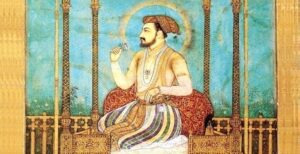
Shah Jahan’s reign (1628–1658) is often considered the golden age of Mughal architecture and culture. He expanded the empire’s frontiers and maintained stability through a mix of diplomacy and military strength. His reign was marked by economic prosperity, administrative efficiency, and a flourishing arts scene.
Military Campaigns
Shah Jahan inherited a vast empire and sought to further expand it. His notable military campaigns included:
- Deccan Campaigns: He led expeditions to subdue the Ahmednagar Sultanate and consolidate Mughal control over the Deccan region.
- Kandahar War: He attempted to recover Kandahar from the Persian Safavids but ultimately failed.
- Northwestern Expansion: He maintained Mughal supremacy in the northwest by controlling key trade routes and fortifications.
While his military campaigns were largely successful, they were also expensive, putting a strain on the empire’s resources.