
The Evolution of Music Production
The Shift from Analog to Digital Recording
Historically, music production relied on analog equipment, including tape recorders, mixing consoles, and vinyl pressings. However, the advent of digital recording in the late 20th century revolutionized the industry. Digital audio workstations (DAWs) such as Pro Tools, Logic Pro, and Ableton Live have enabled artists and producers to create, edit, and mix music with unprecedented flexibility and precision.
Digital recording has also improved audio quality by reducing noise interference and allowing for greater dynamic range. Additionally, the affordability of software-based production tools has democratized music creation, empowering independent musicians who no longer need access to expensive studio equipment.

Virtual Instruments and Sampling
Technology has also revolutionized instrumentation through virtual instruments and sampling. Synthesizers, drum machines, and orchestral plugins enable artists to produce high-quality music without requiring physical instruments. Moreover, advancements in artificial intelligence (AI) and machine learning have led to the development of AI-generated compositions and algorithmic music production, pushing creative boundaries even further.
The Rise of Home Studios
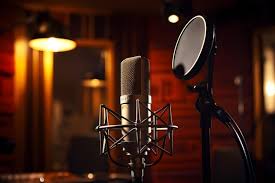
In the past, music production required expensive studio time, but today, many artists produce professional-grade music from home. High-quality microphones, audio interfaces, and DAWs allow musicians to record and mix their work without the need for traditional studio spaces. This shift has given rise to a more independent music industry where self-produced artists can achieve mainstream success.
The Transformation of Music Distribution
The Decline of Physical Media
Before the digital age, music distribution relied on physical formats such as vinyl records, cassette tapes, and CDs. With the rise of digital downloads and streaming services, physical media sales have declined significantly. Although vinyl has seen a niche resurgence, the majority of consumers now access music digitally.
The Streaming Revolution
Streaming services such as Spotify, Apple Music, and YouTube Music have fundamentally changed how audiences consume music. Listeners now have access to vast libraries of music at their fingertips, often at little or no cost. Subscription-based models and ad-supported platforms have replaced traditional purchasing methods, leading to a decline in album sales but an increase in overall music accessibility.
However, streaming services have also sparked debates about artist compensation. While these platforms provide exposure to millions of listeners, many artists receive only a fraction of a cent per stream, making it challenging for independent musicians to earn a sustainable income.
The Role of Social Media in Music Promotion
Social media platforms like TikTok, Instagram, and Twitter have become essential tools for music promotion. Viral trends and challenges on TikTok, for instance, have propelled songs to mainstream popularity, sometimes even reviving older tracks. Independent artists can now reach global audiences without relying on record labels, leveraging social media algorithms and influencer collaborations to gain traction.



 સમાચાર
 સમાચાર