

How to Pick Good Mangoes : Mangoes are a beloved summer treat, bursting with sweetness and tropical flavor. However, not all mangoes are safe to eat. Some are artificially ripened using harmful chemicals like calcium carbide, which can pose serious health risks. To enjoy the true taste of mangoes and protect your health, it’s essential to know how to spot the real ones. In this blog, we share five simple ways to identify naturally ripened mangoes and explain why avoiding fake ones is crucial for your well-being.
The Dangers of Fake Mangoes
Fake or chemically ripened mangoes are often treated with calcium carbide, a banned substance that releases acetylene gas to speed up ripening. This chemical leaves behind traces of arsenic and phosphorus, which can cause nausea, headaches, skin irritation, and even long-term issues like neurological damage or cancer risk. Up to 40% of mangoes in some markets may be artificially ripened, making it vital to choose wisely.

How to Pick Good Mangoes
Here are five practical tips to help you pick authentic, naturally ripened mangoes every time:
1. Sniff for the Sweet Aroma
Real mangoes give off a sweet, fruity aroma, particularly around the stem. Their scent is tropical, often with hints of floral or citrus notes. In contrast, chemically ripened mangoes usually lack this natural fragrance or may carry a slight chemical smell. If a mango doesn’t smell fresh and inviting, it’s best to avoid it.

2. Check the Color
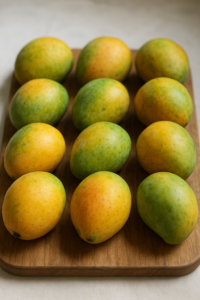
Naturally ripened mangoes display a mix of colors—green, yellow, and sometimes red or pink—showing their gradual ripening process. Be cautious of mangoes that look overly glossy or uniformly bright yellow/orange, as this can indicate chemical treatment. Real mangoes have a natural, slightly uneven hue, not a polished, artificial shine.
3. Feel the Texture
Gently press the mango with your fingers. Real mangoes are slightly soft but firm, yielding just a little under pressure. Chemically ripened mangoes may feel mushy, overly soft, or unnaturally hard due to uneven ripening caused by chemicals. Avoid mangoes that don’t have that perfect balance of firmness and softness.
4. Look for White Powder
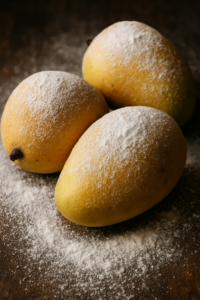
Inspect the mango’s surface closely. If you notice a white, powdery residue, it’s a red flag. This could be a sign of chemical treatments like calcium carbide or other ripening agents. Naturally ripened mangoes have clean, smooth skin without such suspicious coatings. If you see white powder, don’t buy the mango.